Car Finance in the US - Smart Tips, Rates & Tools
Compare lenders, explore expert tips, and use tools to make smarter car financing decisions in the US. Everything you need in one place.
Check the deal before you sign
Have a written car quote? Check the purchase total, trade-in debt and amount financed, then compare two offers.
Open the car deal & OTD checker →Free, no sign-up. Use the tax and fee amounts from your quote.
Understand the purchase price
Separate the out-the-door total from cash down, trade-in and financing.
Compare two offers
See how payment, interest and cash upfront change together.
Follow trade-in debt
Track an unpaid balance into the new loan without counting it twice.
Check the cost of add-ons
Compare the product price with its cost when financed.
Check a GAP refund and credit
Use a confirmed method to estimate the amount and trace the payment.
Car financing in the United States covers a wide range of decisions: new versus used, dealer financing versus a bank or credit union, leasing versus buying, and the growing market for electric vehicle (EV) loans. Most US buyers borrow some portion of the price, which means understanding APR, term length, total interest, and realistic monthly affordability is essential before signing any agreement.
This hub brings together calculators, plain-language explainers, and comparison guides so you can slow down, test assumptions, and ask the right questions before committing to a loan or lease.
Table of Contents
Key concepts to compare offers
- APR (Annual Percentage Rate) — the true yearly cost of borrowing, including interest plus most lender fees. The Consumer Financial Protection Bureau (CFPB) requires lenders to disclose APR so you can compare offers on a consistent basis. APR and the nominal interest rate are not the same.
- Loan term — auto loans typically run 36 to 84 months. Longer terms reduce monthly payments but increase total interest paid and the risk of negative equity.
- Down payment — a higher down payment reduces the financed amount, may improve loan terms, and lowers the chance of being upside-down on the loan early on.
- Pre-approval — getting pre-approved by a bank, credit union, or fintech before visiting the dealer gives you a benchmark APR to negotiate against.
- Total cost of ownership — monthly payment is only one piece. Insurance, fuel or charging, maintenance, registration, and taxes shape the real cost.
Use the Car Loan Calculator
The Car Loan Calculator helps you estimate monthly payments, total interest, and the impact of different terms or down payments. It is an educational tool — actual offers depend on your credit profile and the lender's underwriting. Read our Methodology for the assumptions behind the calculation.
Topics covered in this hub
The articles below explain how auto loan rates change, the difference between dealer and bank financing, how to compare offers side by side, EV-specific incentives and financing structures, used car checklists, and how much car you can realistically afford. For home and mortgage decisions, see our mortgage hub.
How we approach this content
Loanyzer treats car financing as YMYL educational content. We prefer official and primary sources — CFPB, Federal Reserve, FTC, IRS, Department of Energy, and lender disclosures — and we explain assumptions and limitations rather than promising outcomes. Read our AI Content Disclosure, Disclaimer, and Corrections Policy for more about how we build and review this material.


Auto Loan Rate Shopping Window: How to Compare Offers Without Overthinking Credit Inquiries
The auto loan rate shopping window can help you compare offers with less credit-...

Change Your Car Loan Due Date: Match Payments to Payday
Match your car payment to payday. Check lender eligibility, extra interest, the...

Buy Here Pay Here Lots: Why They Are Legal, Why They Trap, and How to Escape
Buy here pay here financing can be legal but expensive. Learn BHPH risks, GPS sh...
Instant Loan Calculations
Compare Loan Offers
Save Money on Financing
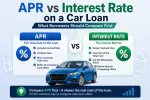
APR vs Interest Rate on a Car Loan

Auto Loan Prepayment Penalty: What to Check Before You Refinance, Pay Extra, or Sell

Advertised Car Price vs Dealer Financing: What the FTC 2026 Warning Means Before You Sign

Car Loan Autopay Discount: Check Before Switching Banks
60 vs 72 Month Car Loan: Lower Payment or Higher Risk?

Car Loan Denied? Read the Notice Before Applying Again

Personal Loan to Buy a Car: When It Beats an Auto Loan and When It Costs More

Car Lender Added Insurance? Check the Dates Before Paying Twice

How to Use a Car Loan Calculator

Extra Car Payment: Check Principal, Not Just the Due Date

Car Financing by State and City: What Changes Before You Sign

Car Loan Payment Not Showing? Trace It Before Paying Again

Car Loan Quote vs. Calculator: Find the Payment Gap

Bank vs Credit Union vs Online Lender

Extended Warranty Refund: Check the Math and Track the Credit

Auto Loan Payoff Quote and Title Release: What to Check Before You Sell, Refinance, or Tra...

Trade In a Car With Negative Equity: Costs and Options

Compare Auto Loan Offers: Payment, Rate and Total Cost

Out-the-Door Car Price: Read and Check a Dealer Quote